
Role of Business Brokers for Investors: 2026 Guide
Role of Business Brokers for Investors: 2026 Guide
A business broker is a licensed intermediary who connects investors with privately held businesses, manages valuations and negotiations, and coordinates due diligence through to closing. The role of business brokers for investors goes well beyond simply listing businesses for sale. Brokers control deal access, qualify buyers, protect seller confidentiality, and manage the full acquisition workflow. Investors who understand these functions gain a measurable advantage in sourcing profitable opportunities and closing transactions efficiently.
What is the role of business brokers for investors?
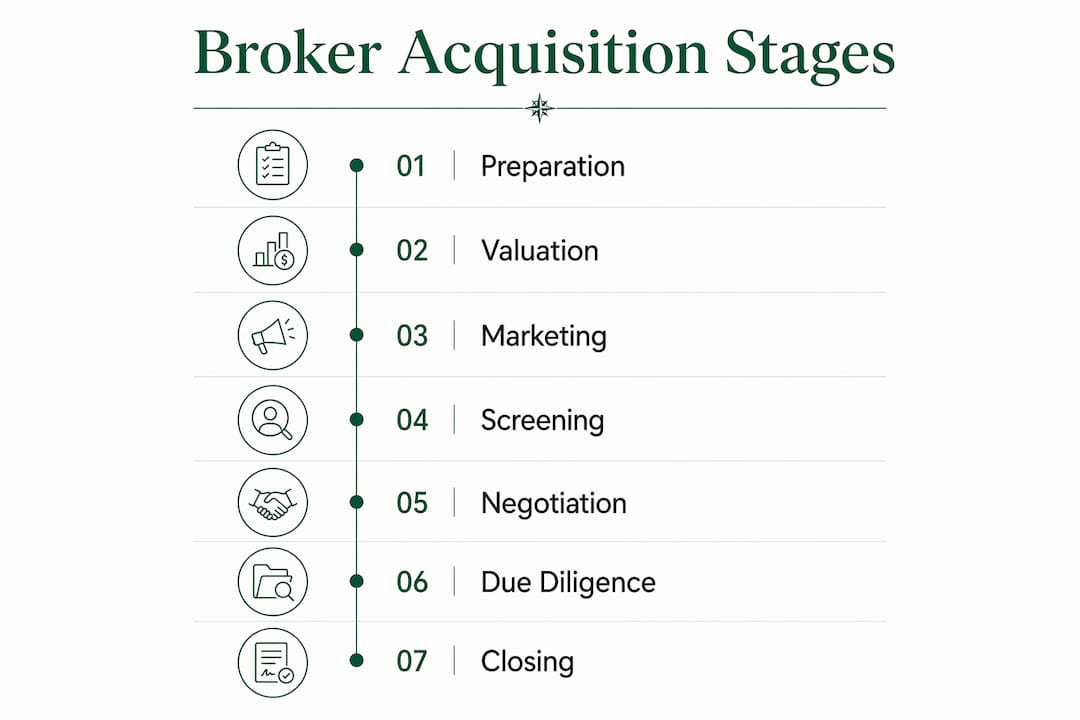
A business broker’s core function is to act as a structured intermediary between buyers and sellers, handling valuation estimates, marketing, buyer screening, negotiations, due diligence coordination, and sale assistance. Each of these functions directly affects the investor’s experience and outcome. A broker who manages these steps well reduces the time and risk an investor carries from first contact to closing.
Valuation is where the broker’s work begins. Brokers analyze financial statements, industry comparables, and asset values to produce an estimate that sets the price anchor for the deal. Investors who understand how that estimate was built are better positioned to negotiate or walk away with confidence.

Marketing and confidentiality run together in brokered deals. Brokers advertise listings without disclosing the seller’s identity at early stages, protecting the business from staff turnover, customer loss, or competitor interference. This means investors often receive a blind profile first, then gain full details only after signing a non-disclosure agreement.
How do brokers shape deal sourcing and opportunity access?
Deal access is not equal for all investors. Brokers gate their listings based on buyer credibility, and investor preparedness directly affects which opportunities surface and how quickly. Investors who present clear acquisition criteria, proof of funds, and a track record of closing deals receive earlier and more exclusive access.
Brokers maintain networks that include both listed and off-market businesses. Off-market deals are particularly valuable because they carry less competition and often better pricing. Investors who want consistent access to off-market acquisition deals need to build genuine relationships with brokers, not just submit inquiry forms.
The gating process works like this:
- Proof of funds or financing pre-approval: Brokers require documentation showing you can close the deal before sharing sensitive business details.
- Signed NDA: Protects seller confidentiality and is required before full financials are released.
- Defined investment criteria: Brokers filter their listings against your stated industry, size, and revenue targets.
- Deal history or credibility signals: Prior acquisitions, professional advisors on your team, and clear communication all increase broker confidence in you as a buyer.
Pro Tip: Prepare a one-page investor profile that states your acquisition criteria, capital available, and preferred deal structure. Send it to brokers before your first call. Brokers who see a prepared buyer move faster and share better opportunities.
What core services do brokers provide through the acquisition lifecycle?
The broker’s involvement spans the full transaction, from initial listing through final transfer. Understanding each phase helps investors know what to expect and where to stay engaged.
-
Business valuation and marketing preparation. The broker produces a valuation estimate and prepares a confidential information memorandum. This document presents the business’s financials, operations, and growth potential to qualified buyers without revealing the seller’s identity prematurely. Investors use this document to make their first serious assessment of fit.
-
Buyer qualification and initial discussions. After NDA signing, the broker facilitates introductory calls between buyer and seller. The broker screens buyers based on financial capacity and deal readiness, so sellers only engage with credible investors. This protects the seller’s time and keeps deal momentum intact.
-
Negotiation facilitation. Brokers manage the back-and-forth on price, deal structure, and terms. Their role is to keep both parties moving toward agreement without letting emotion derail the process. Investors benefit from having a broker who can reframe objections and present counteroffers professionally.
-
Due diligence coordination. After a letter of intent is signed, due diligence typically runs 30–90 days. The broker coordinates document requests, manages timelines, and connects the investor with accountants and legal advisors. Investors who treat this phase as a project with deadlines close faster and with fewer surprises.
-
Closing and transfer assistance. Brokers assist with final transaction paperwork, coordinate with escrow or legal counsel, and help manage the transfer of licenses, leases, and contracts. A well-managed closing reduces the risk of last-minute deal collapse.
Pro Tip: Request the seller’s last three years of tax returns, profit and loss statements, and lease agreements within the first week of due diligence. Early document requests set the pace and reveal any reluctance from the seller before you invest more time.
Understanding the business sale prospectus that brokers prepare gives investors a clear picture of what information to expect and how to evaluate it critically.
What standards and ethics govern business broker conduct?
Professional brokers operate under defined standards. The IBBA Standards of Practice provide uniform guidelines covering broker duties to clients and customers, promoting ethical conduct and professionalism across the industry. Investors working with IBBA-affiliated brokers can expect transparency, good faith negotiation, and objective advice throughout the process.
These standards address several practical expectations:
- Disclosure obligations: Brokers must disclose known material facts about the business and avoid misrepresentation.
- Conflict of interest management: When a broker represents both buyer and seller, dual agency must be disclosed and agreed to by both parties.
- Confidentiality: Brokers protect seller information and only release details to qualified, NDA-signed buyers.
- Good faith dealing: Brokers are expected to present all offers to sellers and communicate honestly with both parties.
“Investors should confirm whether their broker is IBBA-affiliated or holds a Certified Business Intermediary designation. These credentials signal a commitment to professional standards that protects both parties in the transaction.”
Buy-side brokers, specifically, require proof of funds, investment criteria, and NDA signing before facilitating due diligence communication. Investors who arrive prepared with these documents signal seriousness and move through the process faster. Brokers who follow IBBA guidelines also balance the interests of both parties, which means investors should not expect a broker to advocate exclusively for their position unless they have hired a dedicated buy-side representative.
Best practices for investors working with business brokers
Preparation before your first broker conversation determines how much value you extract from the relationship. Investors who show up with clear criteria and documentation get better deals. Those who treat brokers as a search engine get generic results.
- Prepare financial documentation upfront. Proof of funds, a financing pre-approval letter, or a clear capital structure summary should be ready before you contact any broker. Buy-side brokers require this documentation early, and having it ready removes friction from the screening process.
- Define your acquisition criteria in writing. State your target industry, revenue range, geographic preference, and deal structure preference. Brokers use these criteria to filter their listings. Vague criteria produce vague matches.
- Communicate regularly and respond quickly. Brokers prioritize buyers who respond within 24 hours. Slow communication signals low commitment and causes brokers to move on to other buyers.
- Treat the LOI-to-diligence window as a project. Active management of diligence timelines keeps deals on track. Request documents early, set internal deadlines, and keep your advisors briefed and available.
- Perform independent due diligence. Brokers coordinate the process, but they do not replace your own accountant, attorney, or industry advisor. Validate the broker’s valuation with your own analysis. Cross-check financials against tax returns and bank statements.
Understanding acquisition strategies before engaging a broker helps you communicate your goals clearly and evaluate opportunities against a defined framework rather than reacting deal by deal.
Key Takeaways
Business brokers are the most direct path to qualified, confidential acquisition opportunities, and investor preparedness determines how much of that access you actually receive.
| Point | Details |
|---|---|
| Brokers control deal access | Investor credibility and documentation determine which opportunities brokers share and how quickly. |
| Full lifecycle involvement | Brokers manage valuation, marketing, negotiation, due diligence, and closing, not just introductions. |
| IBBA standards apply | IBBA-affiliated brokers follow defined ethics rules covering disclosure, confidentiality, and good faith dealing. |
| Due diligence runs 30–90 days | Treat this window as a project with deadlines and request documents in the first week after LOI signing. |
| Preparation drives results | A one-page investor profile with criteria and proof of funds accelerates broker responsiveness and deal quality. |
Why broker relationships are the most underrated asset in acquisition investing
Most investors focus on finding the right deal. The investors who close consistently focus on being the right buyer. That distinction took me years to fully appreciate, and it changes how you approach every broker conversation.
Brokers are not neutral conduits. They are gatekeepers with reputations to protect. When a broker introduces a buyer to a seller, that introduction reflects on the broker. A buyer who wastes a seller’s time, fails to close, or misrepresents their capacity damages the broker’s relationship with that seller. Brokers remember this. Investors who close cleanly and communicate professionally get called first when the next good deal comes in.
The technology integration happening in brokerage right now is worth watching. Digital data rooms, automated NDA workflows, and AI-assisted valuation tools are compressing timelines and raising the bar for buyer responsiveness. Investors who adapt to these faster workflows gain an edge. Those who still expect weeks of back-and-forth before seeing financials will find themselves behind buyers who move in days.
The common pitfall I see most often is investors who engage brokers without a clear capital structure. They know what they want to buy but cannot clearly explain how they will fund it. Brokers interpret this as unpreparedness and deprioritize these buyers. Solving this before your first broker call costs nothing and changes everything.
— Sierra
How Compassbusinessacquisitions supports your acquisition goals
Compassbusinessacquisitions works directly with investors to identify, evaluate, and close business acquisitions with verifiable financials and proven growth potential.

The team at Compassbusinessacquisitions provides professional valuations, targeted marketing, and direct buyer-seller matching based on defined investment criteria. Whether you are sourcing your first acquisition or building a portfolio, the buyer services at Compassbusinessacquisitions connect you with opportunities that match your capital, industry focus, and deal structure requirements. The brokerage’s network spans listed and off-market businesses, and every engagement includes dedicated support through due diligence and closing. Connect with Compassbusinessacquisitions to receive tailored deal sourcing and professional guidance from first contact through final transfer.
FAQ
What does a business broker do for an investor?
A business broker manages valuation, marketing, buyer screening, negotiations, and due diligence coordination on behalf of both parties in a transaction. For investors, this means structured access to qualified opportunities and professional support through every phase of the acquisition.
How long does due diligence take when buying a business?
Due diligence typically runs 30–90 days after a letter of intent is signed. Investors should budget for this timeline and engage accountants and legal advisors from the start to avoid delays.
What do brokers require from investors before sharing listings?
Brokers typically require proof of funds, a signed NDA, and defined investment criteria before releasing confidential business details. Having these ready before your first broker contact accelerates the screening process significantly.
What is the IBBA and why does it matter for investors?
The International Business Brokers Association sets uniform standards of practice covering broker ethics, disclosure, and professional conduct. Working with an IBBA-affiliated broker gives investors a baseline assurance of transparency and good faith dealing throughout the transaction.
Can a business broker access off-market deals?
Experienced brokers maintain networks that include businesses not publicly listed for sale. Investors who build strong broker relationships and demonstrate deal readiness gain access to these off-market opportunities before they reach a wider audience.